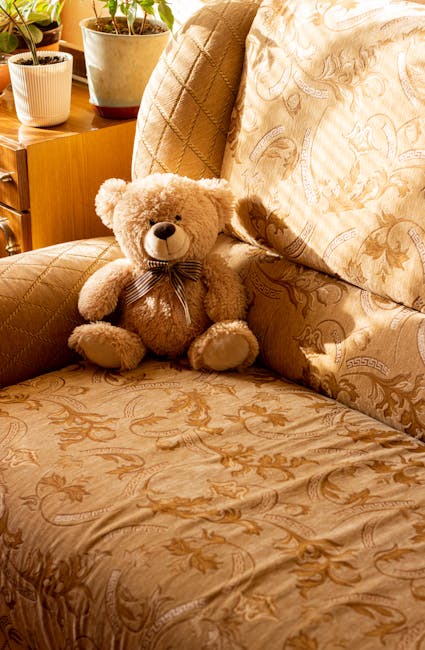
Lampton Park upholstery cleaning for Hounslow homes
Posted on 22/06/2026
Lampton Park upholstery cleaning for Hounslow homes: a practical local guide
If your sofa is looking a bit tired, your dining chairs have picked up everyday grime, or that armchair by the window has faded from "nice" to "needs help", you are in the right place. Lampton Park upholstery cleaning for Hounslow homes is not just about making fabric look better for a day or two. It is about removing built-up soil, dealing with local household wear, and helping furniture last longer in a busy London home.
In Hounslow, life has a way of finding its mark on upholstery. Muddy shoes by the hallway, takeaway nights, pets jumping onto the settee, kids with sticky fingers - the usual. And, to be fair, most people do not notice how much dirt has accumulated until the colour suddenly looks dull or a faint smell settles in. This guide walks you through what upholstery cleaning involves, when it makes sense, what results to expect, and how to choose the right service without overcomplicating it.
If you are also thinking about wider home care, you may find the company's deep cleaning support in Hounslow useful alongside upholstery work, especially if you want the whole room to feel refreshed rather than just one item.
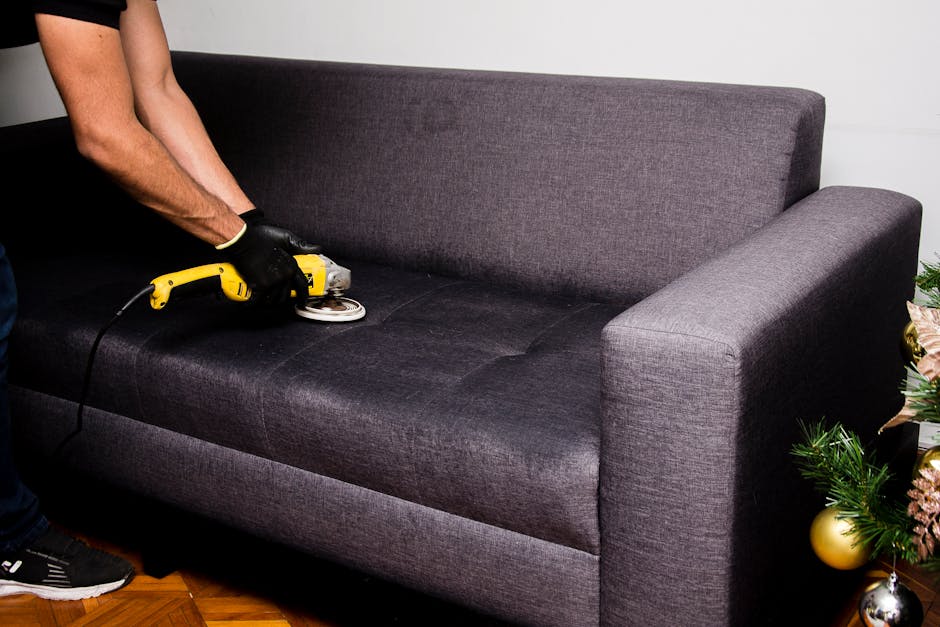
Why Lampton Park upholstery cleaning for Hounslow homes matters
Upholstery is one of those things that quietly collects a lot more than people expect. A sofa may look fine from across the room, but up close you often find patchy greying on the arms, crumbs in the seams, pet hair clinging to fibres, and those mystery marks that appear after a family film night. In a home near Lampton Park, where daily life can be busy and the weather turns at the wrong moment, those small signs build up quickly.
Good upholstery cleaning matters because it does more than improve appearance. It can help reduce odours, lift embedded soil, and make fabrics feel softer and fresher. It also protects your furniture investment. Let's face it, a decent sofa or suite is not cheap. If it is cared for properly, it often stays serviceable and comfortable for much longer.
There is also a practical side for Hounslow homes. If you host guests, rent out a property, or simply want a cleaner-feeling living space, upholstery is one of the first places people notice. The room might be tidy, but if the sofa looks marked or the cushions smell stale, the whole space feels off. Funny how that works, really.
For households juggling several cleaning priorities, it can make sense to pair upholstery care with house cleaning in Hounslow or domestic cleaning services so the fabric work sits within a broader maintenance routine rather than being treated as a one-off rescue job.
How Lampton Park upholstery cleaning for Hounslow homes works
Professional upholstery cleaning usually follows a careful process rather than a one-size-fits-all blast of water and hope. That matters, because different fabrics, fillings and dyes react differently. Wool blend? Velvet? Synthetic weave? The method can change quite a bit.
At a high level, the process normally starts with inspection. A cleaner checks the fabric type, visible stains, wear patterns, colourfastness and any areas that need extra caution. This first look is important. A good technician will not promise a miracle on a delicate item before understanding what they are dealing with.
Next comes pre-treatment. This may involve vacuuming, dry soil removal, and a targeted solution for greasy marks, drink spills or general body oils. Then the main cleaning method is applied. Depending on the fabric, this might be hot water extraction, low-moisture cleaning, or a more delicate specialist approach for sensitive upholstery.
After cleaning, the item is usually lightly groomed or checked for remaining marks, and drying advice is given. Drying time can vary based on fabric type, room airflow and how much cleaning was needed. Some pieces are ready sooner than others. A good-sized sofa by the window on a breezy afternoon? Much easier than a dense armchair in a warm but stuffy room. Small detail, big difference.
If you want a broader overview of the company's cleaning range, the services overview is a sensible place to understand how upholstery cleaning sits alongside other home and workplace options.
Key benefits and practical advantages
People often book upholstery cleaning for one reason - a visible stain or a suspicious smell - but the value usually goes further than that.
- Better appearance: Colour looks fresher, the fabric seems brighter, and tired-looking furniture stops dragging the room down.
- Improved hygiene: Everyday soil, allergens and general grime are reduced. No dramatic claims here, just a cleaner surface and deeper fibres.
- Odour reduction: Fabrics can hold cooking smells, pet odours and general household air over time.
- Longer furniture life: Dirt acts like fine abrasive dust. Removing it helps reduce wear.
- Better comfort: Clean upholstery often feels softer and more pleasant to use.
- Good preparation for guests or viewings: Particularly useful if you are selling, letting, or hosting.
There is a strong "before and after" feeling with upholstery cleaning that people tend to underestimate. A sofa may not look ruined, just a bit dim. Then once it is cleaned, the whole room suddenly feels lighter. It is a small change with a surprisingly big emotional effect.
If you are preparing a property for sale, you may also want to read about selling property in Hounslow. Clean furniture and clean carpets can quietly support that first impression during viewings.
Who this is for and when it makes sense
Upholstery cleaning is useful for more people than you might think. It is not just for "badly stained sofa" emergencies.
It makes sense if you are:
- a homeowner keeping a family living room in decent shape
- a landlord preparing for incoming tenants
- a tenant wanting to leave a property in respectable condition
- a pet owner dealing with fur, odour or accidental marks
- someone with children, where spills are basically part of the furniture
- an older homeowner who wants the home to feel fresher without replacing everything
- a buyer or seller trying to lift the presentation of a property
There are also seasonal moments when upholstery work is especially worth doing. Before Christmas visitors arrive. After a spring clear-out. After a party. Or after a long winter when windows have been shut, heating has been running, and fabrics have quietly absorbed the season. You know the feeling.
For one-off refreshes, some households combine upholstery work with one-off cleaning in Hounslow or spring cleaning support so the home gets a deeper reset rather than just a single isolated job.
Step-by-step guidance
If you have never booked upholstery cleaning before, here is the process in plain English.
- Identify the furniture and the issue. Sofa, armchair, dining chair, footstool, headboard - each can need a slightly different approach. Note the problem areas, such as drink marks, grease, pet hair or general dullness.
- Check the fabric label if you can. Look for care instructions and fibre type. If you cannot find it, do not panic. A professional cleaner can usually inspect it on site.
- Clear the area. Move small items, throws and cushions if requested. It helps the technician work properly and safely.
- Discuss stains and concerns. Be honest about what caused the mark if you know. Coffee, makeup, ink and food need different treatment. Surprise information only helps if it is shared early.
- Allow for pre-vacuuming and pre-treatment. This is where loose dust and targeted spots are addressed before the main clean.
- Choose the suitable cleaning method. The cleaner should match the method to the fabric, not the other way around.
- Let the item dry properly. Open windows where safe, keep air moving, and avoid sitting on the upholstery too soon.
- Follow aftercare advice. This might include blotting future spills quickly, rotating cushions, or avoiding heavy use for a short period.
A simple example: if a family sofa near Lampton Park has a faint food smell and a couple of dark arm marks, a careful clean may include dry soil removal, spot treatment, and controlled extraction. Not glamorous, but effective when done properly.
Expert tips for better results
Here is where experience really matters. A good clean is not only about the machine; it is about timing, fabric understanding and restraint.
- Act before stains settle. Fresh spills are much easier to treat than old ones. If you can blot, blot gently. Do not rub like you are trying to erase the problem from existence.
- Test anything new first. Even safe-looking products can behave badly on colour-sensitive fabric.
- Avoid soaking the fabric. More water is not always better. Over-wetting can cause longer drying times and may leave rings or backing issues.
- Keep ventilation in mind. Drying is often improved by opening windows and keeping air flowing, especially in cooler months.
- Handle delicate fabrics carefully. Velvet, silk blends and some vintage pieces need a gentler touch.
- Ask for aftercare guidance. A few sensible habits can keep the sofa looking good for far longer.
A small but useful tip: if you are cleaning the whole room, do upholstery after dusty work, not before. Otherwise dust just settles back onto the freshly cleaned fabric. It happens more often than people admit.
If you are planning broader seasonal maintenance, the company's carpet cleaning in Hounslow can be paired well with upholstery care. Carpets and sofas tend to age together, annoyingly enough.
Common mistakes to avoid
Most upholstery problems after cleaning come from rushing, guessing, or using too much product. The good news is that they are avoidable.
- Using household stain removers blindly. Some leave residues, bleaching patches or sticky spots that attract more dirt.
- Scrubbing hard. That can distort fibres, spread stains and damage the texture.
- Ignoring the fabric type. A method that works on synthetic weave may be wrong for natural fibres.
- Trying to dry the item with too much heat. A hairdryer held too close can be a bad idea. Really bad, sometimes.
- Forgetting hidden areas. Cushions, seams, arms and the front base collect plenty of grime.
- Booking only when the furniture looks awful. Regular care is simpler and usually cheaper in the long run.
Another common mistake is assuming that all stains are removable. Some are not. Dye transfer, old bleach marks, sun fade and permanent fibre damage are different from dirt, and it helps to be realistic. A trustworthy cleaner will say so plainly rather than make promises they cannot keep.
Tools, resources and recommendations
When people ask what makes upholstery cleaning effective, the answer is often a combination of the right tools and the right judgement.
Common professional tools and materials include:
- high-filtration vacuum equipment
- fabric-safe pre-sprays and spot treatments
- soft upholstery tools and controlled extraction equipment
- microfibre cloths for careful blotting and detail work
- protective covers or pads for nearby flooring where needed
- airflow or drying support to improve turnaround time
Useful homeowner habits:
- vacuum sofas and chairs regularly, including seams and under cushions
- rotate loose cushions so wear does not concentrate in one spot
- deal with spills straight away if it is safe to do so
- use throws or arm covers in the busiest parts of the house
- avoid eating messy food on light-coloured upholstery if you can help it - and if not, well, life happens
For homeowners who like to keep a steady maintenance routine, the company's pricing and quotes information can help you plan whether to book upholstery alone or as part of a wider clean.
Law, compliance, standards, or best practice
Upholstery cleaning itself is a practical household service, but there are still sensible standards to expect. In the UK, a reputable provider should work carefully around health and safety, handle chemicals responsibly, and use methods suitable for the material being cleaned. That is the baseline, really.
For customers, the most relevant best-practice points are straightforward:
- Ask about insurance and safety procedures. A proper provider should be able to explain how they protect your home, furnishings and flooring.
- Expect fabric-aware methods. A cleaner should not treat every upholstery item as identical.
- Expect honest limitations. Good service includes saying when a stain, fade or fabric issue may not fully reverse.
- Expect clear communication. Arrival time, drying expectations and aftercare should all be explained without jargon.
If you are comparing providers, it helps to look at pages such as insurance and safety and the health and safety policy. They are not flashy, but they tell you a lot about how seriously a company takes the work.
For business or rented premises, it can also be sensible to think about documentation, access arrangements, and who is responsible for the furniture. If a property is shared or managed, that conversation should happen before any cleaning starts. Saves hassle later.
Options, methods, or comparison table
Not every upholstery item needs the same treatment. Here is a simple comparison of common approaches. This is a general guide rather than a fixed rule, because fabric condition and manufacturer care labels matter.
| Method | Best for | Advantages | Points to watch |
|---|---|---|---|
| Hot water extraction | Many synthetic and durable fabrics | Strong deep-cleaning ability, good soil removal | Drying time may be longer if the fabric is thick or heavily soiled |
| Low-moisture cleaning | Items needing quicker turnaround or lighter wetting | Faster drying, often more fabric-friendly for some items | May be less suitable for very deep embedded soil on some fabrics |
| Specialist delicate-fabric cleaning | Velvet, wool blends, vintage or sensitive materials | More controlled, better for fragile textiles | Needs careful inspection and experienced handling |
| Spot treatment only | Small isolated marks | Targeted and efficient | Not ideal if the rest of the item is also dirty or dull |
In real life, most homes need a mixed approach. One sofa may need a full clean, while a footstool only needs targeted treatment. That is normal. Good cleaning is often about not overdoing it.
If your home also needs broader maintenance, the end of tenancy cleaning service can be relevant when upholstery forms part of a rental move-out or inventory expectation.
Case study or real-world example
Here is a realistic scenario from a typical Hounslow family home near Lampton Park. A three-piece living room set had daily use for years, with a pale fabric sofa showing dark arm patches, a few drink marks, and general dullness around the seat cushions. Nothing dramatic, but enough to make the room feel neglected.
The first step was inspection. The fabric was checked for sensitivity, and the worst marks were identified. Loose debris and pet hair came off during vacuuming, which already made the upholstery look less flat. Then the stained areas were pre-treated before the full clean was carried out carefully and evenly.
What changed? The room did not become brand new, and nobody sensible would promise that. But the sofa looked lighter, the fabric felt cleaner to the touch, and the stale background smell went away. The homeowner said the biggest surprise was how the whole room seemed tidier after the clean. That happens a lot. One piece of furniture can influence the feel of the whole place.
A similar approach often works well for homes that also need a broader reset before guests visit, before a tenancy change, or before putting the property on the market. If you are planning around a move or rental cycle, the company's Hounslow property investment guide may also be a helpful read for understanding how presentation affects value perception.
Practical checklist
Use this simple checklist before booking upholstery cleaning in Hounslow.
- Identify each item you want cleaned.
- Check the fabric label if available.
- Note stains, odours, wear, and problem areas.
- Decide whether the clean is standalone or part of a bigger home refresh.
- Clear nearby clutter and fragile items.
- Ask about the likely cleaning method.
- Confirm expected drying time.
- Request aftercare advice for the specific fabric.
- Plan ventilation after the job.
- Set realistic expectations for old stains and fabric damage.
Expert summary: The best upholstery cleaning is careful, fabric-aware, and honest. It should improve appearance, lift grime, and make the furniture feel fresher without risking damage. If a cleaner is confident but vague, that is usually not a great sign. Clear answers beat shiny promises every time.
Conclusion
Lampton Park upholstery cleaning for Hounslow homes is ultimately about preserving comfort and making everyday living feel better. Clean sofas, chairs and other upholstered items do more than please the eye. They help a room feel calmer, more welcoming and better cared for. And when you live in a busy part of London, that really counts.
The smartest approach is usually simple: choose the right method, work with the fabric rather than against it, and keep a sensible maintenance rhythm. Whether you are tidying up for family life, getting ready for guests, or preparing a property for sale or tenancy, upholstery cleaning can make a noticeable difference without needing a full room overhaul.
If you are ready to compare options or plan your next clean, take a look at the wider services overview and then decide what fits your home best. A fresher, more comfortable room is often closer than people think.
Get a free quote today and see how much you can save.
Sometimes the nicest part is simply sitting back at the end of the day and noticing the room feels better. Quietly better. That counts for a lot.