Hounslow Council waste rules for upholstery cleaning disposal
Posted on 31/07/2026
Hounslow Council waste rules for upholstery cleaning disposal: a practical guide for homes, tenants, and cleaners
If you have just finished an upholstery clean and you are staring at a pile of soaked cloths, removed cushions, old foam, or a badly damaged chair, the next question is usually simple: what now? The answer is not always obvious. Hounslow Council waste rules for upholstery cleaning disposal can affect how you handle everything from worn-out sofa covers to contaminated cleaning waste, and getting it wrong can mean missed collections, fly-tipping risks, or just a lot of unnecessary hassle.
This guide breaks the topic down in plain English. You will learn what counts as upholstery cleaning waste, how it is normally handled in Hounslow, what to avoid, and how to make sensible decisions whether you are cleaning at home, managing a rental, or running a property business. We will keep it practical, because let's face it, nobody wants to spend a Saturday morning guessing whether a damp cushion belongs in the recycling, residual waste, or a bulky waste route.
Why Hounslow Council waste rules for upholstery cleaning disposal Matters
Upholstery cleaning sounds straightforward until the waste side of it turns messy. A sofa clean can leave behind dirty water, broken zips, disposable cloths, vacuum debris, detached fabric, and sometimes furniture that is beyond saving. In a home, that can be annoying. In a rental or commercial property, it can become a compliance problem very quickly.
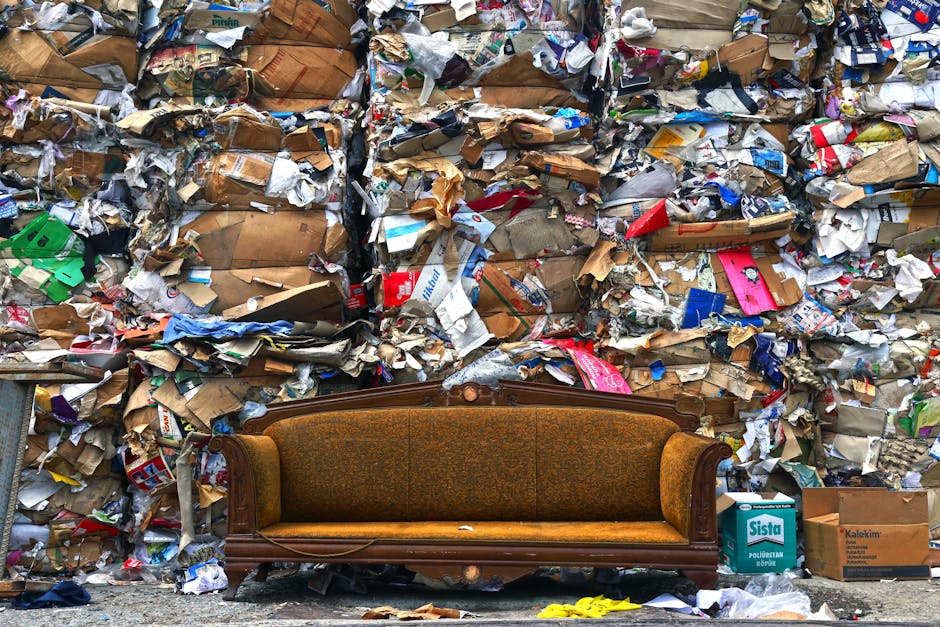
The core reason these rules matter is that upholstery waste is not always the same as ordinary household rubbish. Some items are bulky, some are recyclable only if separated correctly, and some are best treated as contaminated residual waste. If you dump the wrong thing in the wrong bin, it may not be collected. Worse, if you leave large items on the pavement without using the right route, it can create an eyesore and a potential enforcement issue.
There is also a hygiene angle. Upholstery cleaning waste may include damp materials, pet hair, dust, allergens, or residues from cleaning products. That is not something you want sitting around indoors for too long. A quick, careful disposal plan helps keep the property safe, tidy, and ready for use again. This is especially useful before a tenancy handover or after a deep spring clean, such as the kind discussed in our spring cleaning guide for Hounslow homes.
And for landlords, agents, or businesses, the practical stakes are even higher. Waste that is handled badly can slow down property turnover, create complaints, and make a room feel unfinished. If you are already dealing with the pressure of moving dates, visitors, or cleaning deadlines, the last thing you need is a pile of rejected rubbish bags on the kerb. Been there, seen that. Not fun.
How Hounslow Council waste rules for upholstery cleaning disposal Works
The simplest way to think about it is this: the council's waste system is built around waste type, volume, and collection method. Upholstery cleaning disposal usually falls into one of a few categories, and the right approach depends on what exactly you are throwing away.
1. Small general waste from cleaning
Things like disposable wipes, paper towels, gloves, lightly soiled cloths, and dust vacuumed from furniture usually go into your normal residual waste if they are not recyclable once used. If a material is contaminated with cleaning solution or grime, it often cannot be recycled anyway.
2. Separated recyclable materials
Clean cardboard packaging, empty product containers where allowed by local collection rules, or unsoiled fabric packaging may be recyclable if your local collection set-up accepts it. The important part is separation. Once a material is heavily soiled, it often drops out of the recycling stream.
3. Bulky upholstery items
If an item of furniture has been removed, broken apart, or replaced after cleaning, it may need a bulky waste route rather than a normal bin. A chair frame, sofa base, or mattress topper is not the same as a bin bag of cleaning cloths. That distinction matters a lot.
4. Specialist disposal for hazardous or chemical waste
Most home upholstery cleaning does not create hazardous waste, but if you have used strong solvents, unusual stain removers, or commercial-grade products, extra caution is sensible. Follow the product instructions and do not mix chemicals together. Simple rule, really. If it smells aggressive enough to make you step back, handle it carefully.
For a broader look at how cleaning services fit into routine property care, our services overview and upholstery cleaning in Hounslow pages are useful context. They show how cleaning jobs often sit alongside waste handling, moving dates, and time-sensitive property maintenance.
One more thing: council processes can change, and collection rules can differ by property type. Flats, managed blocks, and houses do not always work in exactly the same way. If your building has shared bins or a concierge arrangement, the practical route may be dictated partly by the property itself. That is one of those small details that trips people up more than you would think.
Key Benefits and Practical Advantages
Handling upholstery cleaning waste correctly is not just about compliance. It makes the whole job cleaner, faster, and less stressful. And there are some real-world benefits that are easy to overlook.
- Cleaner rooms faster - you can clear the area properly instead of leaving damp debris or packaging in corners.
- Lower risk of smells - wet cloths, hair, and residue left too long can develop an unpleasant odour.
- Better recycling outcomes - separating clean materials from contaminated waste helps avoid needless landfill.
- Fewer collection problems - bins and sacks are less likely to be rejected if the waste is sorted sensibly.
- Smoother move-outs - especially handy for landlords and tenants who need the property ready on time.
- Safer working conditions - less clutter means fewer trip hazards, less spillage, and less chance of cross-contamination.
There is also a subtle but important psychological benefit. A freshly cleaned sofa or armchair feels like progress. When the waste is dealt with properly, the whole room suddenly looks finished instead of half-done. That matters in domestic cleaning, but it matters even more during end-of-tenancy work where presentation can affect how the property is judged. If you are preparing for that kind of turnover, our end of tenancy cleaning Hounslow guide may help you plan the bigger picture.
Truth be told, good waste handling also saves time. Once you build the habit, you stop making repeat trips to sort things out later. That is worth a lot on a busy day.
Who This Is For and When It Makes Sense
This topic is relevant to more people than you might expect. Upholstery waste is not just a "cleaner's problem"; it is a household, property, and business issue too.
Homeowners and renters
If you are doing a sofa refresh, dealing with pet mess, or replacing a damaged armchair after cleaning, you need to know what can go in the bin and what cannot.
Landlords and letting agents
Furniture disposal often sits alongside void-period cleaning and property handovers. Getting it wrong can slow down the next tenancy, and that is never ideal. If you are thinking about broader property upkeep, our article on selling property in Hounslow explains why presentation and logistics can matter so much.
Office managers and business owners
Office upholstery cleaning often produces packaging waste, wipes, and occasionally outdated furniture that needs replacement. A neat disposal plan keeps the workspace professional, and that is especially useful if you are also managing routine office cleaning in Hounslow.
Cleaning companies
Professional cleaners need to understand what they can responsibly remove, bag, or leave for the client to arrange. It is not glamorous work, but it is part of being competent. Honestly, the best jobs are the ones where waste is dealt with quietly and properly.
People handling one-off deep cleans
A big clear-out before guests arrive, after a party, or after long-term neglect often creates the most mixed waste of all. If that sounds familiar, the advice in our one-off cleaning Hounslow page is a helpful companion read.
When does it make sense to stop treating upholstery waste like normal rubbish? As soon as you are dealing with bulky items, chemical residues, damp materials in quantity, or anything that may be restricted by shared-building rules. That is the point where a little planning saves a lot of grief.
Step-by-Step Guidance
If you want a practical process, use this sequence. It is simple, but it works.
- Identify the waste type. Separate soft waste, hard waste, liquids, packaging, and any furniture parts.
- Check if anything can be reused. A washable cloth, removable cover, or salvageable cushion insert may not need disposal at all.
- Keep recyclables clean. Cardboard, plastic packaging, and uncontaminated materials should be kept apart where local recycling accepts them.
- Bag contaminated waste securely. Use strong sacks for lint, pet hair, and dirty wipes so you do not end up with leaks or smells.
- Do not pour leftover cleaning liquid into the wrong place. Follow product guidance and avoid mixing chemicals. If in doubt, keep it contained and handle it carefully.
- Separate bulky furniture for the correct route. Do not wedge a chair frame into a normal bin. It sounds obvious, but people do it.
- Arrange collection or drop-off early. If you need bulky waste pickup, book or plan ahead rather than waiting until the pile grows.
- Double-check property rules. Flats, HMOs, and managed sites may have bin-store arrangements or collection restrictions.
For example, imagine you clean a sofa and discover the foam inside has crumbled. The fabric waste and cloths can be bagged, but the damaged cushion insert may need a separate disposal route. That tiny distinction can be the difference between a tidy clear-out and a collection problem.
If you are looking to pair cleaning with a broader home reset, our deep cleaning Hounslow service page gives a good sense of how the whole process can be structured.
Expert Tips for Better Results
Here are the small things that make a surprisingly big difference.
- Dry waste before bagging when possible. A slightly damp cloth is one thing; a wet pile is another. Wet waste gets heavy fast and can smell by morning.
- Keep a "clean" and "contaminated" pile. Once materials are mixed, recycling becomes harder.
- Use the right size bags. Oversized bags can tear. Undersized bags, on the other hand, waste time. Annoying, really.
- Photograph bulky items before disposal. Useful for landlords, agents, and anyone needing a record for handover.
- Match the waste plan to the cleaning job. A light refresh is different from a full sofa restoration attempt.
- Do disposal before the room is put back together. If you bring cushions and rugs back in too early, you will just trap clutter around them.
A good rule of thumb: if you are unsure whether a material is recyclable, assume it is not until you confirm the local route. That is safer than guessing. Not perfect, but safer.
For tougher stain jobs, some readers also find it helpful to compare DIY effort against professional help. Our article on common problems with DIY rug cleaning in Hounslow homes is relevant because the same "do I handle this myself or bring in help?" question often comes up with upholstered furniture too.
Common Mistakes to Avoid
This is where most avoidable problems happen. A few missteps are repeated again and again.
- Leaving wet cloths in a sealed bag too long. That can create mouldy smells and make the bag unpleasant to handle.
- Treating bulky furniture like general waste. Sofas, large frames, and broken chairs may need a separate disposal method.
- Mixing chemicals together. This is a safety issue, not just a cleanliness issue.
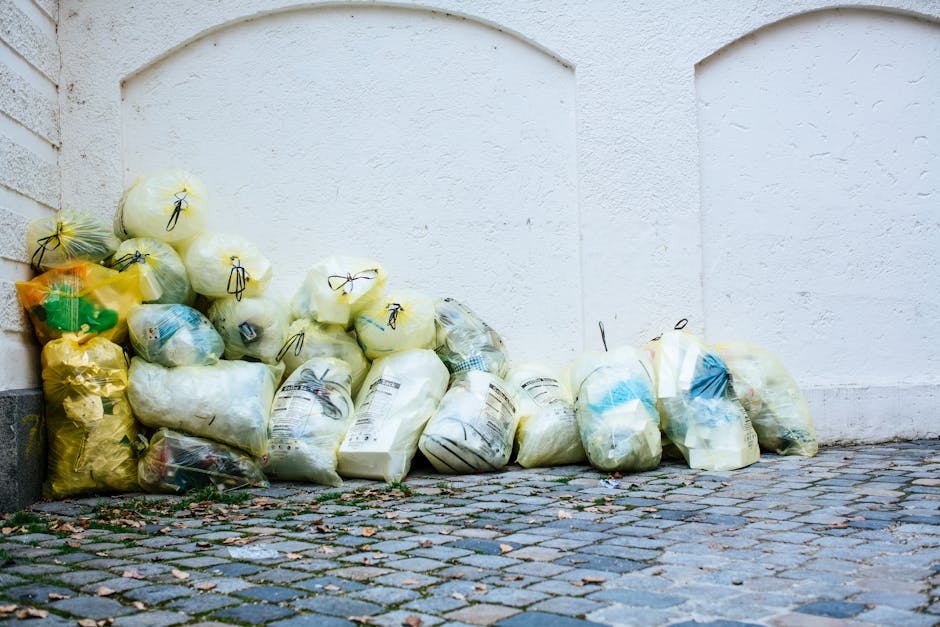
- Dumping waste outside without checking collection timing. That can create an immediate nuisance, especially in shared streets or blocks.
- Assuming all fabric or foam can be recycled. Not after contamination, usually.
- Forgetting building-specific rules. Many flats have their own waste arrangements, and they can be stricter than you expect.
One slightly cheeky truth: if you have ever stood by a bin thinking "surely this will be fine," you are not alone. But waste systems are often less forgiving than people expect.
Also, do not let the job drift. Upholstery waste tends to multiply when you keep putting the disposal step off until later. Five minutes becomes an hour. Then it is dark, everyone is tired, and the bags are still in the hallway. Best avoided.
Tools, Resources and Recommendations
You do not need specialist equipment for every job, but a few basics make upholstery waste handling easier and cleaner.
| Tool or resource | Why it helps | Best for |
|---|---|---|
| Heavy-duty bin bags | Reduces the chance of splits and leaks | Dirty cloths, wipes, lint, pet hair |
| Gloves | Keeps hands cleaner and reduces contact with residues | General upholstery cleaning waste |
| Labels or marker pen | Helps separate items for reuse, recycling, or disposal | Landlords, cleaners, office teams |
| Tarpaulin or sheet | Protects floors while sorting waste | Large-room or move-out cleans |
| Moisture-resistant storage box | Keeps small damp items contained temporarily | Short-term staging before disposal |
If you want a more structured view of what a cleaning visit can include, our carpet cleaning Hounslow page sits well alongside upholstery work because the same waste-handling logic often applies. It is all part of keeping the property tidy from floor to sofa.
For pricing questions, it is often wise to check a provider's approach to disposal before booking. Our pricing and quotes page is a useful reminder that clear scope is better than vague assumptions. Nobody likes an awkward surprise halfway through a job.
Law, Compliance, Standards, or Best Practice
This section needs a careful tone. Waste rules can involve local council expectations, property rules, and general UK waste duty of care principles. The exact collection route can depend on the type of waste, where the property is, and whether you are a householder, landlord, or business. Because of that, it is sensible to treat council guidance as the final word for day-to-day disposal choices.
From a best-practice point of view, the main principles are straightforward:
- Do not leave waste where it can blow away, leak, or attract pests.
- Keep hazardous or unknown chemicals separate and properly contained.
- Use the right route for bulky items instead of abandoning them near communal bins.
- Do not mix recyclable and contaminated waste if you want the recycling stream to stay usable.
- If you are a business or landlord, keep a sensible record of waste arrangements where appropriate.
In practical terms, that means you should never assume a sofa cushion, fabric offcut, or cleaning residue is "just general rubbish" if it clearly is not. If the waste has a chemical smell, is soaking wet, or comes from a furniture component, pause and sort it properly. That pause is often the difference between a clean handover and a headache later.
For readers who want to know more about the professional side of safe work practices, our insurance and safety page offers useful reassurance on how a proper cleaning service thinks about risk, care, and responsible working methods.
Options, Methods, or Comparison Table
There is more than one way to deal with upholstery cleaning waste, and the best option depends on scale, urgency, and what you are disposing of. Here is a simple comparison.
| Method | Best used for | Pros | Limits |
|---|---|---|---|
| Normal household bin | Small amounts of contaminated cleaning waste | Simple, quick, familiar | Not suitable for bulky items or excessive volume |
| Separated recycling | Clean cardboard, packaging, and eligible materials | More sustainable, reduces residual waste | Only works if items are clean and accepted locally |
| Bulky waste route | Furniture pieces, frames, large damaged cushions | Proper disposal for oversized items | Usually needs planning and may take time |
| Temporary storage before collection | Short gaps between cleaning and pickup | Keeps the room clear and organised | Needs dry, safe storage to avoid smells and clutter |
For a domestic property, normal bin disposal plus careful separation is often enough. For a larger job, or somewhere with lots of furniture movement, bulky waste planning tends to be the smarter route. A little forethought goes a long way.
Case Study or Real-World Example
Here is a realistic example from the kind of job many people recognise. A tenant in Hounslow finishes cleaning a fabric sofa before checkout. The sofa itself is staying, but the cleaning process has produced several disposable cloths, a used sponge, a few packaging pieces from stain treatment, and a torn cushion lining that is no longer usable.
At first glance, all of it looks like one pile. But it should not be treated that way.
The packaging may be clean enough to recycle, depending on the material. The cloths and sponge are likely residual waste. The torn lining might also be residual waste if it is contaminated, or possibly textile waste if local rules and condition allow it. If the tenant had also decided the cushion insert was beyond rescue, that larger item would need a different disposal route again.
What made the process smooth was not fancy equipment. It was sorting before bagging, keeping the work area dry, and deciding early what needed to be taken away immediately versus what could wait for the next collection. The room ended up fresh, the exit inspection went more smoothly, and nobody had to drag a mystery bag down the stairwell at the last minute. A small win, but a real one.
That kind of approach also fits well when you are booking a broader clean, like our booking tips for end-of-tenancy cleaning in Hounslow flats article explains. When timings are tight, disposal discipline matters more than people realise.
Practical Checklist
Use this checklist before you finish an upholstery cleaning job.
- Have I separated reusable items from waste?
- Have I kept clean recyclable packaging apart from contaminated materials?
- Are all wet cloths, wipes, and sponges bagged securely?
- Have I avoided mixing different chemicals or residues?
- Do I know whether any item counts as bulky waste?
- Have I checked building rules, if this is a flat or managed property?
- Is the waste stored safely and out of the way until collection?
- Have I planned the correct disposal route for furniture parts or damaged inserts?
- Are the bins or bags sealed so they will not leak or smell?
- Do I need a professional cleaner, or a specialist collection route, for the remaining items?
If you can tick all of those off, you are in good shape. If not, pause and sort it before the room gets put back together. Future-you will be grateful, honestly.
Get a free quote today and see how much you can save.
Conclusion
Hounslow Council waste rules for upholstery cleaning disposal are not there to make life awkward. They are there to keep waste streams cleaner, properties tidier, and collections running properly. Once you separate the small stuff from the bulky stuff, and the clean material from the contaminated material, the whole process becomes much easier.
The main lesson is simple: do not leave disposal until the end of the day as an afterthought. Plan it alongside the cleaning itself. That is the difference between a polished job and a room that still feels half-finished. And if you are managing a home, a tenancy, or a business space, that polish really does matter.
Take it step by step, keep things dry and sorted, and do not be afraid to choose the safer route when you are unsure. It is a small bit of effort for a much calmer result.
Sometimes the cleanest finish is just the quiet one - the one where everything is put away properly and nobody has to think about the waste again.