Hounslow Council permits for cleaning vans
Posted on 18/08/2026
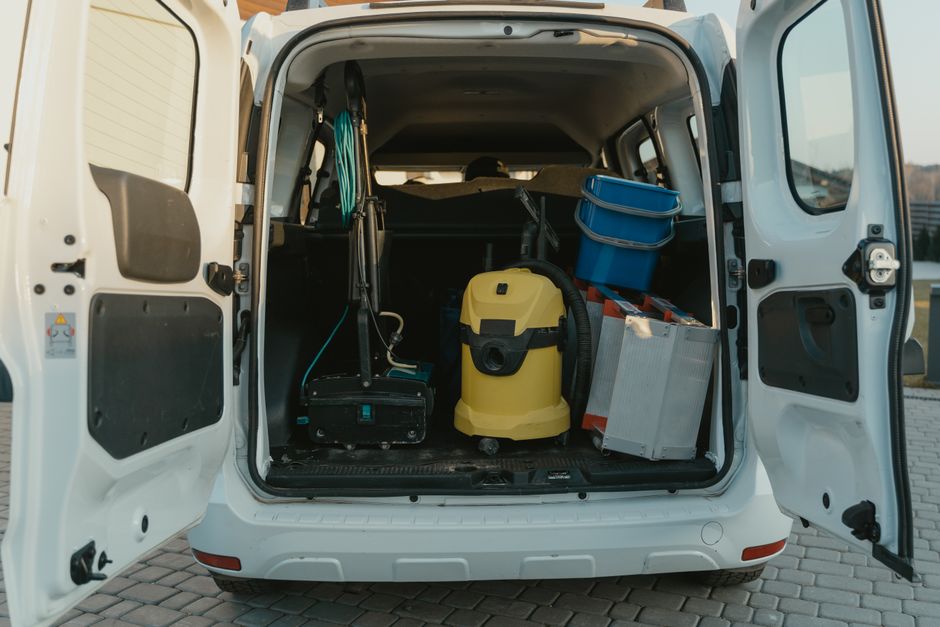
Hounslow Council permits for cleaning vans: what operators need to know before parking, loading, and working locally
If you run a cleaning business in Hounslow, the van is part of the job, not just transport. You park near a block of flats, unload equipment, move through narrow residential streets, and try to keep everything efficient while staying on the right side of local rules. That is where Hounslow Council permits for cleaning vans become relevant. It is not only about avoiding a fine; it is about working smoothly, protecting your schedule, and not getting caught out by a loading bay, parking restriction, or access issue you could have planned for.
This guide breaks the topic down in plain English. You will get a practical view of when a permit may matter, how to think about parking and access, what common mistakes cost businesses time, and how to build a more reliable local setup. If your work involves domestic cleans, upholstery, carpets, or end-of-tenancy jobs, a bit of planning goes a long way. Let's face it, the van is often the difference between a calm day and a stressful one.
Why Hounslow Council permits for cleaning vans Matters
For a cleaning van, the main issue is rarely the van itself. It is the place you stop it. In a busy borough like Hounslow, a short job can be disrupted by yellow lines, resident-only bays, suspended spaces, school-time restrictions, or a street that simply is not friendly to commercial loading. If you ignore that reality, you may lose time, need to carry kit farther than expected, or end up having to reshuffle appointments. None of that is ideal when you are trying to keep a cleaning round tight and predictable.
Permits, dispensations, and parking arrangements matter because they create a workable plan. Sometimes the permit is for parking in a particular controlled area. Sometimes the issue is making sure you can stop briefly to load and unload without crossing into a restriction you did not notice. Sometimes, honestly, the better question is not "Can I park here?" but "What is the safest place to work from for the next two hours?"
This is also about professionalism. A customer notices when you arrive on time, carry equipment in one go, and do not spend ten minutes circling the block. That small smoothness builds trust. If your business handles more complex visits such as end-of-tenancy cleaning in Hounslow, timing and access become even more important because the property handover clock is usually unforgiving.
Practical takeaway: the permit question is really an operations question. If the van is central to your service, parking and access planning should be part of the job price, not an afterthought.
How Hounslow Council permits for cleaning vans Works
There is no single one-size-fits-all rule that covers every cleaning van situation. In practice, you are dealing with a mix of local parking controls, access rules, and job-specific logistics. Some locations may allow short loading and unloading if you stay within the permitted time and do not leave the vehicle in a way that blocks traffic or breaks the restriction. Others may require a more formal parking permission, particularly if the vehicle will remain in place for longer or if work involves repeated visits.
For most operators, the process starts with understanding the job location. Ask yourself: is this a residential street, a shopping area, a block of flats, or an office setting? Will the van be unattended? Do you need to carry wet equipment, vacuum machines, or cleaning products over a longer distance? The answers shape the permit or parking approach you need. That's the bit many people miss. It is not just the address; it is the pattern of use.
In real-world terms, a small van doing a quick single-room carpet clean is usually a different parking problem from a larger commercial van servicing multiple flats in one afternoon. If your work spreads across the borough, it is sensible to treat parking planning as part of scheduling, much like route planning or drying-time management. If you also offer specialist services, such as carpet cleaning in Hounslow or upholstery cleaning in Hounslow, you may find access needs vary more than you expect from one job to the next.
Usually, the practical workflow looks like this:
- Check the street and job type before confirming the appointment.
- Identify any loading restrictions, resident bays, or time-controlled areas.
- Decide whether the van can stop briefly or needs a proper permit/authorisation.
- Build extra time into the schedule for parking and carrying equipment.
- Keep proof of permission or booking details available in case you need to show them.
That last step sounds obvious, but you would be surprised how often it gets skipped. The driver assumes everything is fine until a warden, neighbour, or building manager asks questions. Then the day gets interesting. Not in a good way.
Key Benefits and Practical Advantages
Getting the parking and permit side right is not just about avoiding problems. It creates a better business rhythm. When your van access is sorted, your jobs become more punctual, your team wastes less energy, and customers experience fewer delays. The benefits are practical and immediate.
First, you reduce wasted travel time. If a van cannot stop where expected, the crew spends time searching for another space, returning for missed items, or making extra trips with a trolley. That is dead time. And dead time quietly eats profit.
Second, you protect the client experience. For a house or office visit, the customer wants the cleaners to arrive ready, not flustered and halfway back to the van for a forgotten piece of kit. Smooth arrival matters. It signals competence.
Third, you lower the risk of avoidable penalties or disputes. This is where compliance and common sense overlap. If your business is already looking after basics such as insurance and safety and your health and safety policy, parking planning should sit in the same family of controls.
Fourth, you improve job pricing accuracy. Many cleaning businesses underprice the hidden cost of access. A job in a difficult parking area can take longer than the clean itself. If you understand that early, your quote can reflect reality rather than hope. There is a useful related discussion in this guide on hidden cleaning fees in Hounslow.
Fifth, you can scale more confidently. A business that knows how to manage permits, timings, and local street constraints can add more jobs without chaos. That is the quiet advantage. No drama. Just better control.
Who This Is For and When It Makes Sense
This topic matters most to businesses and sole traders that work on-site with a van. If you run a domestic cleaning route, a carpet and upholstery setup, or one-off deep cleans, you will often need to park close to the property to keep turnaround times sensible. If you are based in or around Hounslow, that is especially true where dense housing, flats, terraces, and busy local roads can make access a bit fiddly.
It also matters if you work with larger or heavier equipment. Carpet extractors, hose reels, water containers, drying machines, and vacuums do not teleport from the van to the property. If you need to move them up several floors, through shared entrances, or across a long forecourt, you will notice the difference between a good parking arrangement and a poor one very quickly.
In our experience, these are the people who should pay closest attention:
- Independent cleaners doing regular domestic visits
- Teams handling domestic cleaning in Hounslow and repeat neighbourhood jobs
- End-of-tenancy specialists with tight handover times
- Office cleaners with early morning or evening access windows
- Carpet and upholstery cleaners transporting bulky equipment
- Businesses that operate in mixed residential and commercial streets
It may also make sense if your schedule includes venue work, moving between larger buildings, or serving customers near transport hubs. A van parked badly near a tight street can turn a straightforward visit into a little circus. Nobody wants that, especially not at 8:00 in the morning with a load of wet kit and a customer waiting by the door.
Step-by-Step Guidance
If you want a simple working method, use this. It is not glamorous, but it is effective.
- Map the job before you confirm it. Look at the postcode, the street type, and the likely parking pattern. If you already know the area, great. If not, assume nothing.
- Check whether the stop is for loading only or full parking. Short loading is often treated differently from leaving a van in place while work happens inside.
- Work out the equipment burden. A light cleaner carrying cloths is one thing; a full carpet-cleaning rig is another. Be honest about the kit.
- Allow a realistic buffer. A job that should take 90 minutes can become 120 once parking, carrying, and access checks are included.
- Keep documentation tidy. If your business has permit paperwork, job notes, vehicle details, or appointment confirmations, store them so they are easy to show if needed.
- Brief the team. Drivers and cleaners should know where to stop, who is responsible for checking restrictions, and what to do if the usual place is unavailable.
- Review the job after it ends. If parking became a recurring problem, note it for next time. Small notes save big headaches later.
That review step sounds dull, but it is gold. A five-second note like "resident bay only after 10 am" can save a whole morning next week. The best operators are usually the ones who quietly remember the awkward bits.
If you manage a broad local service offer, it helps to keep your team familiar with the main service pages and operational information, like the services overview and about the company, so they understand what the business stands for and how it works on the ground.
Expert Tips for Better Results
Here are the habits that separate a decent operation from a polished one.
Plan for access, not just parking. A van space is not enough if the customer has no lift, the stairwell is narrow, or the hallway is awkward. Ask the access question early. It saves a lot of second-guessing.
Use the smallest suitable vehicle for the job. A smaller van can be easier to place legally, easier to manoeuvre, and less stressful in tighter streets. Bigger is not always better. Sometimes it is just bigger.
Keep a loading kit ready. Foldable trolleys, straps, waterproof mats, and labelled boxes reduce time at the kerbside. You will feel the difference on damp days, especially when you are trying to avoid muddy footprints on a client's carpet.
Build a local knowledge file. Save notes on tricky roads, school restrictions, estate entrances, and roads where parking disappears after a certain time. This becomes one of the most valuable business assets you have.
Price for complexity. A job that requires extra parking management, a longer carry, or a second trip should not be priced as if it were a straightforward house clean. If you need a benchmark for customer-facing pricing language, the page on pricing and quotes is a sensible reference point.
Stay calm with customers. If a parking space vanishes or a building manager changes the access plan, say what happened plainly. Most people are reasonable when you are clear and solution-focused. A little honesty goes a long way.
Common Mistakes to Avoid
These are the mistakes that cause avoidable trouble, and yes, most of them are boringly common.
- Assuming one street equals one rule. Parking controls can change block by block. Never assume the next street works the same way.
- Leaving permit checks until arrival. By then, you may be dealing with a customer waiting, a timer running, and the van half-blocked in traffic.
- Forgetting the unloading stage. A van may be in the right area, but if you cannot unload safely, the setup still fails.
- Underestimating job duration. Carrying kit up stairs always takes longer than people think. Always.
- Using vague notes. "Parking okay" is not a useful note. "Bay on left, after 10 am, short stay only" is useful.
- Ignoring repeat patterns. If a particular street causes trouble every Tuesday, fix the system instead of suffering the same problem weekly.
- Failing to align parking and customer communication. If you know arrival may be delayed, tell the customer before they have to ask.
There is a small but costly trap here: treating access issues as a one-off annoyance instead of a business process problem. The minute you document it properly, the issue becomes manageable. Before that, it just keeps biting.
Tools, Resources and Recommendations
You do not need a huge stack of software to manage van permits and parking well. A few simple tools are enough if you use them properly.
- Route planning app: useful for checking the day's sequence and reducing unnecessary cross-borough driving.
- Shared notes system: a simple place to store access notes, parking quirks, and repeat-customer instructions.
- Job checklist: include parking, permits, access, and unloading before the cleaner leaves base.
- Vehicle pack: keep the van ready with essentials so you are not making extra trips back to base.
- Quote template: make sure complex access conditions can be reflected in the price without awkward last-minute changes.
It also helps to understand the wider service context. If your business offers regular work as well as one-off visits, pages like one-off cleaning in Hounslow, spring cleaning in Hounslow, and deep cleaning in Hounslow can guide the way you structure service descriptions and workload planning.
If you want to keep customer admin neat, it is also worth having the obvious pages in good shape: contact, request a quote, and terms and conditions. Not glamorous, granted, but essential.
Law, Compliance, Standards, or Best Practice
When people say "permit," they often assume there is a single legal answer. In reality, local vehicle access and parking are usually a mixture of council controls, road restrictions, and site rules. Best practice is to treat the local authority side as one layer and the property owner or managing agent side as another. Both matter.
From a compliance point of view, the main risks for cleaning vans usually come from stopping where you should not, using spaces outside the permitted terms, or failing to manage loading and unloading properly. If your work involves heavier kit, there is also a general duty to think about safe manual handling, safe loading, and clear communication with the team. That sits neatly alongside your health and safety policy and wider operational controls.
Best practice usually means:
- checking street restrictions before the job starts
- allowing enough time for unloading and repacking
- not relying on guesswork when parking rules look unclear
- keeping records of where the business has recurring access arrangements
- making sure drivers know what to do if the normal stopping place is unavailable
If you work in customer homes, you should also keep a close eye on property care, footwear, and spill control. It sounds basic because it is basic, and basic is what keeps things tidy. A small wet patch by the kerb can become a proper nuisance if it is ignored in the rush.
Options, Methods, or Comparison Table
Different jobs need different approaches. Here is a simple comparison to help you think clearly about the options.
| Approach | Best for | Pros | Watch-outs |
|---|---|---|---|
| Short loading stop | Quick drop-off or collection of equipment | Fast, simple, minimal disruption | Only works if the restriction and timing genuinely allow it |
| Pre-arranged parking permission | Repeat jobs or longer visits | Predictable, easier for the team, less stress on arrival | Needs advance planning and clear documentation |
| Off-street parking with carry-in | Properties with limited road access | Safer for the van, sometimes simpler for permissions | Longer carry, more time, more manual handling |
| Small-vehicle strategy | Dense residential streets and mixed restrictions | More flexibility, easier manoeuvring | May limit equipment capacity |
For many smaller cleaning firms, the best answer is a hybrid approach. Use the smallest practical van, plan jobs around easier access where possible, and reserve the most awkward streets for times when you have the buffer to absorb them. Simple, really. But simple is often the winning move.
Case Study or Real-World Example
Here is a realistic example from the kind of job pattern many local cleaners face. A team is booked for a two-bedroom flat close to a busy road in Hounslow. The customer wants a full clean after moving out, including carpets and a few fabric items. The first instinct is to park as near as possible and carry everything straight in.
But the street has resident controls, the available space is time-limited, and the team also needs to remove a rug, carry a machine, and manage some waste at the end. If they arrive without checking the permit situation, the job starts with pressure. One person waits at the kerb while another goes inside. The van needs watching. The cleaner keeps asking if the next space will be available. You can feel the tension building even before the machine is switched on.
Now compare that with a better-planned version. The job is confirmed with a note about the street layout. The team sets the arrival time to suit the parking pattern. They bring a trolley, keep the van load organised, and build in a few extra minutes for carrying. The clean itself is not magically easier, but the day feels under control. The customer sees a tidy process. The team stays focused. Everyone breathes a bit easier.
That is the real value of understanding van permits and parking permission. It is not about paperwork for paperwork's sake. It is about making the work flow properly in the real world, where a missed space can throw off a whole appointment chain.
Practical Checklist
Use this checklist before sending a cleaning van to a Hounslow job:
- Confirm the full address and postcode
- Check whether the job is residential, commercial, or mixed-use
- Review likely parking restrictions for the exact street
- Decide if the van needs loading-only access or longer stopping time
- Check vehicle size against street width and turning space
- Prepare any permit, booking, or access details needed
- Build in time for carrying equipment from the van
- Make sure the team knows who checks parking on arrival
- Pack trolleys, mats, and safe loading gear
- Tell the customer if access may affect arrival time
- Record any recurring parking issue for next time
Quick summary: if your van is central to your service, then parking, permits, and access are part of the service delivery itself. Handle them early, handle them consistently, and the rest of the job usually becomes easier.
If you need support with local cleaning services or want to talk through a job that needs careful planning, you can always start with practical booking tips for end-of-tenancy cleaning in Hounslow flats or get in touch through the site's main enquiry flow. A clear quote is often the easiest first step.
Get a free quote today and see how much you can save.
Conclusion
Hounslow Council permits for cleaning vans are really about making the workday workable. Once you understand the local access picture, you can reduce delays, improve pricing, protect your team, and deliver a calmer customer experience. That matters whether you clean carpets, upholstery, homes, or offices. A well-planned van setup is not a minor detail; it is part of a reliable business model.
To be fair, most cleaning businesses do not fail because they misunderstand cleaning. They struggle because they underestimate the practical bits around the clean. Parking, carrying, timing, and access can look mundane. Then one awkward street teaches you otherwise. Learn the lesson once, and the whole operation gets smoother.
Keep the notes, plan the route, and respect the local constraints. The work feels lighter when the logistics are under control.